

Demystifying Computerized Tax Preparation Tools: Your Guide to Smarter Tax Filing
- CE Computerized Tax Service
- May 18
- 4 min read
Tax season can feel overwhelming, whether you’re managing personal finances, running a startup, or overseeing a nonprofit. But thanks to advances in technology, computerized tax preparation tools have transformed how we handle taxes. These tools simplify complex calculations, reduce errors, and save valuable time. Today, I want to walk you through the essentials of computerized tax systems, helping you understand how they work and how you can make the most of them.
Understanding Computerized Tax Preparation Tools
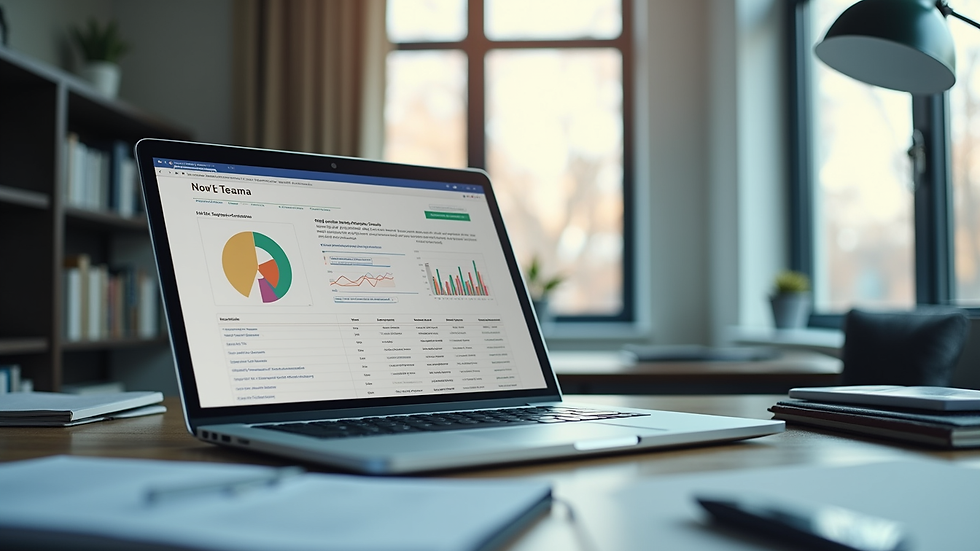
Computerized tax preparation tools are software programs designed to assist with filing taxes accurately and efficiently. They automate many of the tedious tasks involved in tax preparation, such as calculating deductions, filling out forms, and checking for errors. Whether you’re an individual or a business, these tools can be a game-changer.
For example, imagine you’re a small business owner juggling invoices, payroll, and expenses. A computerized tax tool can automatically import your financial data, categorize expenses, and calculate your tax liability. This reduces the risk of mistakes and ensures you don’t miss out on any deductions.
Some key benefits include:
Accuracy: Automated calculations reduce human error.
Time-saving: Faster data entry and form completion.
Guidance: Step-by-step instructions tailored to your tax situation.
Updates: Software is regularly updated to reflect the latest tax laws.
If you’re curious about how these tools work behind the scenes, they often use algorithms to analyze your financial data and apply tax rules accordingly. This means you get personalized results based on your unique circumstances.

How to Choose the Right Computerized Tax Preparation Tools
With so many options available, picking the right computerized tax preparation tool can feel daunting. Here are some practical tips to help you decide:
Assess Your Needs: Are you filing as an individual, a startup, or a corporation? Different tools cater to different users.
Look for User-Friendly Interfaces: Choose software that’s easy to navigate, especially if you’re not a tax expert.
Check for Integration: If you use accounting software, find a tax tool that integrates smoothly.
Consider Support Options: Reliable customer support can be a lifesaver during tax season.
Review Security Features: Your financial data must be protected with strong encryption and privacy policies.
For instance, if you run a nonprofit, look for tools that handle specific tax forms like 990s. If you’re an individual with investments, ensure the software can handle capital gains and dividends.
Remember, the goal is to find a tool that fits your unique tax situation and makes filing less stressful.
What does TCE stand for in taxes?
You might come across the acronym TCE when dealing with taxes. TCE stands for Tax Counseling for the Elderly. This is a program sponsored by the IRS that offers free tax help to individuals aged 60 and older. Volunteers trained in tax law assist seniors with preparing their tax returns, focusing on pensions, retirement-related issues, and other age-specific tax concerns.
This program is a great resource if you or someone you know qualifies. It’s designed to make tax filing easier and more affordable for seniors, ensuring they get the credits and deductions they deserve.
The Role of Automation in Modern Tax Systems
Automation is at the heart of computerized tax systems. It streamlines data entry, error checking, and compliance with tax regulations. Here’s how automation benefits you:
Data Import: Automatically pulls information from bank accounts, payroll systems, and investment platforms.
Error Detection: Flags inconsistencies or missing information before submission.
Real-Time Updates: Adjusts calculations based on the latest tax laws and rates.
E-Filing: Submits your tax return electronically, speeding up processing and refunds.
For example, if you’re a startup owner, automation can help you track deductible business expenses throughout the year, so you’re not scrambling at tax time. It also helps ensure you’re compliant with local and federal tax requirements.
By embracing automation, you reduce the risk of audits and penalties, giving you peace of mind.

Tips for Maximizing Your Use of Computerized Tax Systems
To get the most out of computerized tax preparation tools, consider these actionable recommendations:
Keep Your Records Organized: Regularly update your financial documents to make data entry easier.
Double-Check Imported Data: Even automated systems can misinterpret information.
Use Built-In Help Features: Many tools offer FAQs, chat support, or tutorials.
Stay Informed About Tax Changes: Software updates help, but understanding key changes yourself is valuable.
Backup Your Data: Save copies of your tax returns and supporting documents securely.
Additionally, if you’re new to computerized tax systems, start with a simple return to build confidence. As you become more comfortable, you can explore advanced features like tax planning and scenario analysis.
If you want to explore more about how technology can simplify your tax filing, consider checking out c e computerized tax services that specialize in making tax preparation straightforward and stress-free.
Embracing the Future of Tax Filing
The future of tax filing is digital, and computerized tax preparation tools are leading the way. As technology evolves, we can expect even smarter systems that use artificial intelligence and machine learning to provide personalized tax advice and optimize refunds.
For businesses, this means better financial insights and compliance management. For individuals, it means less time worrying about taxes and more time focusing on what matters most.
By embracing these tools today, you’re setting yourself up for smoother tax seasons ahead. Whether you’re filing your first return or managing complex corporate taxes, computerized tax systems are here to help.
I hope this guide has made computerized tax preparation tools clearer and more approachable. Remember, the right tools combined with good habits can turn tax season from a headache into a manageable task. Happy filing!


Comments