

Innovations in C E Computerized Tax Solutions and Computerized Tax Systems
- CE Computerized Tax Service
- 18 hours ago
- 4 min read
Tax season can be stressful, but thanks to advances in technology, managing taxes has become much easier. Over the years, computerized tax systems have transformed how individuals and businesses handle their tax obligations. These innovations not only save time but also reduce errors and improve compliance. Today, I want to share some exciting developments in C E computerized tax solutions and how they are shaping the future of tax management.
The Rise of Computerized Tax Systems
Computerized tax systems have revolutionized the way taxes are prepared, filed, and processed. Instead of relying on manual calculations and paper forms, these systems use software to automate many tasks. This shift has brought several benefits:
Accuracy: Automated calculations reduce human errors.
Speed: Tax returns can be prepared and submitted faster.
Convenience: Users can access their tax information anytime, anywhere.
Compliance: Systems are regularly updated to reflect the latest tax laws.
For example, startups can now use cloud-based tax software to track expenses and generate reports in real time. Corporations benefit from integrated systems that connect accounting, payroll, and tax filing. Nonprofits can easily manage donations and grants while ensuring compliance with tax regulations.
How Innovations Are Shaping Tax Solutions
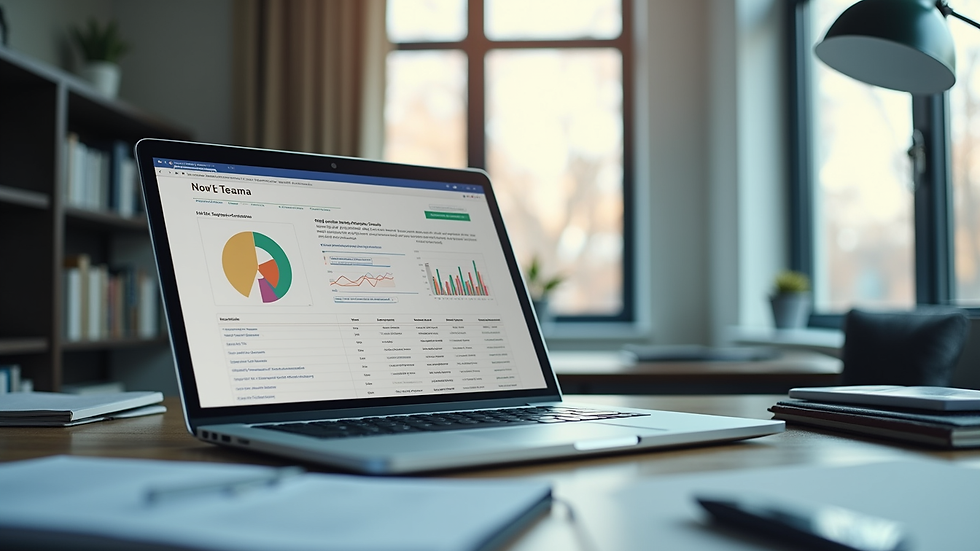
The latest innovations in computerized tax systems focus on making tax management smarter and more user-friendly. Here are some key trends:
Artificial Intelligence and Machine Learning
AI-powered tax software can analyze vast amounts of data to identify deductions, credits, and potential errors. This means fewer missed opportunities and less risk of audits. For instance, AI can scan receipts and invoices to automatically categorize expenses, saving hours of manual work.
Cloud Computing
Cloud-based tax solutions allow users to store and access their tax data securely online. This enables collaboration between accountants and clients, no matter where they are located. Plus, cloud systems often include automatic backups and updates, ensuring data safety and compliance.
Mobile Accessibility
With mobile apps, taxpayers can manage their finances on the go. Whether it's snapping photos of receipts or checking refund status, mobile access adds flexibility and convenience.
Integration with Financial Tools
Modern tax systems integrate seamlessly with accounting software, payroll services, and banking platforms. This integration reduces data entry duplication and ensures consistency across financial records.

What does CE stand for in taxes?
Understanding terminology is crucial when navigating tax systems. The acronym "CE" in the context of taxes typically stands for Continuing Education. This refers to ongoing training and learning that tax professionals undertake to stay current with tax laws, regulations, and software updates.
Continuing education is essential because tax codes frequently change. Professionals who engage in CE courses can provide better advice and ensure compliance for their clients. Many computerized tax solutions also incorporate CE resources, helping users stay informed about new tax rules and best practices.
Practical Benefits of Using C E Computerized Tax Solutions
When I first started exploring computerized tax systems, I was amazed at how much easier they made tax management. The c e computerized tax solutions available today offer several practical benefits:
Time Savings: Automation handles repetitive tasks like data entry and calculations.
Improved Accuracy: Built-in error checks reduce mistakes.
Better Record Keeping: Digital storage keeps all documents organized and accessible.
Cost Efficiency: Reduces the need for extensive manual labor or external consultants.
Enhanced Security: Advanced encryption protects sensitive financial data.
For example, a small business owner can use these solutions to generate quarterly tax reports automatically, avoiding last-minute scrambles during tax season. Nonprofits can track donations and generate tax receipts with minimal effort.
Tips for Choosing the Right Computerized Tax System
With so many options available, selecting the best computerized tax system can feel overwhelming. Here are some tips to help you make an informed choice:
Assess Your Needs: Consider the size of your business, the complexity of your taxes, and your budget.
Look for User-Friendly Interfaces: Choose software that is easy to navigate, especially if you’re not a tax expert.
Check for Regular Updates: Tax laws change frequently, so your software should update automatically.
Evaluate Customer Support: Reliable support can save you headaches during tax season.
Consider Integration: Ensure the system works well with your existing financial tools.
Security Features: Verify that the software uses strong encryption and data protection measures.
By following these guidelines, you can find a computerized tax system that fits your unique situation and helps you stay compliant with ease.
Embracing the Future of Tax Management
The future of tax management looks bright with ongoing innovations in computerized tax systems. As technology continues to evolve, we can expect even more intelligent, efficient, and accessible solutions. Imagine tax software that not only prepares your returns but also offers personalized financial advice based on your data.
By embracing these innovations, you can simplify your tax obligations and focus on what truly matters - growing your business, supporting your community, or managing your personal finances with confidence.
If you want to explore how these advancements can benefit you, consider diving deeper into the world of c e computerized tax solutions today. The right tools can make all the difference in turning tax season from a burden into a breeze.


Comments