

Efficient Tax Compliance with Computerized Tax Solutions
- CE Computerized Tax Service
- Jul 7
- 4 min read
Tax compliance can feel like a maze. Deadlines, forms, calculations, and regulations often overwhelm even the most organized individuals and businesses. But what if there was a way to simplify this process? Enter computerized tax solutions. These systems are transforming how we handle taxes, making compliance faster, more accurate, and less stressful.
In this post, I’ll walk you through the benefits of computerized tax solutions, how they work, and practical tips to get the most out of them. Whether you’re managing personal taxes, running a startup, or overseeing a nonprofit, embracing technology can be a game-changer.
Why Choose Computerized Tax Solutions?
Computerized tax solutions are software or platforms designed to automate and streamline tax-related tasks. They help you prepare, file, and manage taxes with minimal manual effort. Here’s why they’re worth considering:
Accuracy: Automated calculations reduce human errors that can lead to costly penalties.
Time-saving: Tasks that once took hours can now be done in minutes.
Up-to-date compliance: These systems update automatically to reflect the latest tax laws and regulations.
Easy record-keeping: Digital storage of receipts, forms, and reports keeps everything organized and accessible.
Cost-effective: Reduces the need for expensive consultations or corrections later.
For example, a small business owner can use computerized tax software to track expenses, calculate deductions, and file quarterly taxes without hiring a full-time accountant. This not only saves money but also frees up time to focus on growing the business.
How Computerized Tax Solutions Work
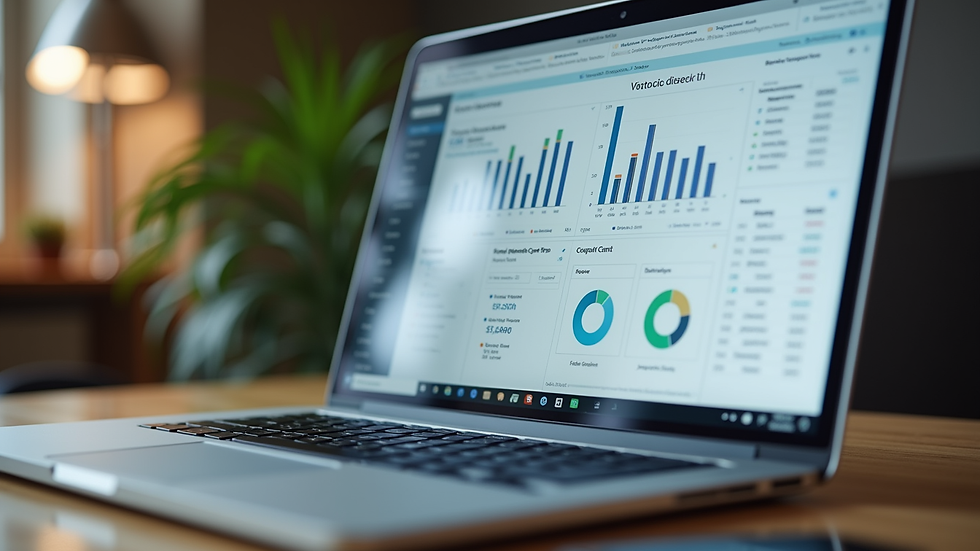
At their core, computerized tax solutions gather your financial data, process it according to tax rules, and generate the necessary forms and reports. Here’s a step-by-step look at the typical workflow:
Data Input: You enter income, expenses, and other relevant financial information. Some systems can import data directly from bank accounts or accounting software.
Calculation: The software applies tax rules to calculate your tax liability or refund.
Review: You review the results, make any necessary adjustments, and ensure all information is accurate.
Filing: The system helps you file your taxes electronically with the appropriate tax authorities.
Record Keeping: All your tax documents and filings are stored securely for future reference.
Many platforms also offer additional features like reminders for deadlines, audit support, and integration with payroll systems. This comprehensive approach helps you stay compliant without the usual headaches.
What does CE stand for in taxes?
You might come across the abbreviation "CE" in tax contexts, and it’s important to understand what it means. CE typically stands for Continuing Education in the tax and accounting fields. This refers to ongoing training and courses that tax professionals take to stay current with tax laws, regulations, and best practices.
Continuing Education is crucial because tax laws change frequently. Professionals who engage in CE ensure they provide accurate advice and services. For individuals and businesses, working with tax experts who maintain their CE can mean fewer errors and better compliance.
If you’re managing your own taxes, consider learning about key tax updates each year. Many computerized tax solutions incorporate these changes automatically, but having a basic understanding helps you make informed decisions.
Practical Tips for Using Computerized Tax Solutions Effectively
To get the most out of computerized tax solutions, here are some actionable recommendations:
Choose the right software: Look for solutions tailored to your needs. For example, individuals might prefer simple tax filing apps, while corporations may need comprehensive accounting and tax management platforms.
Keep your data organized: Regularly update your financial records. Upload receipts, invoices, and bank statements promptly to avoid last-minute scrambles.
Use automation features: Take advantage of automatic data imports and reminders to reduce manual work.
Double-check entries: Even the best software can’t catch every mistake. Review your inputs carefully before filing.
Stay informed: Follow tax news or subscribe to updates from trusted sources to understand any changes that might affect you.
Backup your data: Ensure your tax information is backed up securely, either in the cloud or on external drives.
By following these tips, you’ll reduce stress and improve your tax compliance accuracy.

Embracing c e computerized tax for Seamless Compliance
One of the standout options in the market is c e computerized tax. This platform is designed to simplify tax compliance for individuals, startups, corporations, and nonprofits alike. It offers a user-friendly interface, real-time updates on tax regulations, and robust support features.
What makes c e computerized tax particularly effective is its focus on expert, up-to-date financial guidance. This means you’re not just getting software; you’re getting a trusted partner that helps you navigate complex tax landscapes. Whether you’re filing personal taxes or managing corporate tax obligations, this solution can save you time and reduce errors.
If you want to focus on what matters most to you—whether that’s growing your business or managing your personal finances—leveraging such computerized tax solutions is a smart move.
Looking Ahead: The Future of Tax Compliance
The future of tax compliance is digital. As technology advances, we can expect even more sophisticated tools that use artificial intelligence, machine learning, and cloud computing to make tax management easier and more accurate.
Imagine systems that can predict your tax liabilities, suggest optimal deductions, and even alert you to potential audit risks before you file. These innovations will empower individuals and businesses to stay ahead of tax obligations with confidence.
For now, embracing computerized tax solutions is a practical step toward efficient, stress-free tax compliance. It’s about working smarter, not harder, and letting technology handle the heavy lifting.
By adopting computerized tax solutions, you’re investing in peace of mind and financial clarity. Whether you’re an individual or part of a larger organization, these tools can transform how you approach taxes. So why wait? Start exploring your options today and experience the benefits firsthand.


Comments